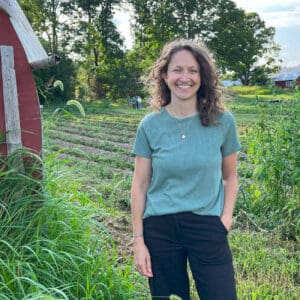
Emmy Smela has been farming for 10 years. While her business is new, she had been farming in managerial roles for 8 years in Massachusetts when she decided to follow her dream and start looking for her own farmland.
It took two years to find the right opportunity, but Emmy was delighted to eventually discover “an amazing find” on New England Farmland Finder, a piece of land centrally located in Amherst, Massachusetts and available for lease.
As conversations with the landowner began moving forward, it quickly became clear that finding land was only the first step. The real work was just beginning.
From Finding Land to Securing It
Conversations with the landowner progressed positively, and both parties were interested in making the arrangement work. But when it came time to craft a lease, Emmy recognized the stakes.
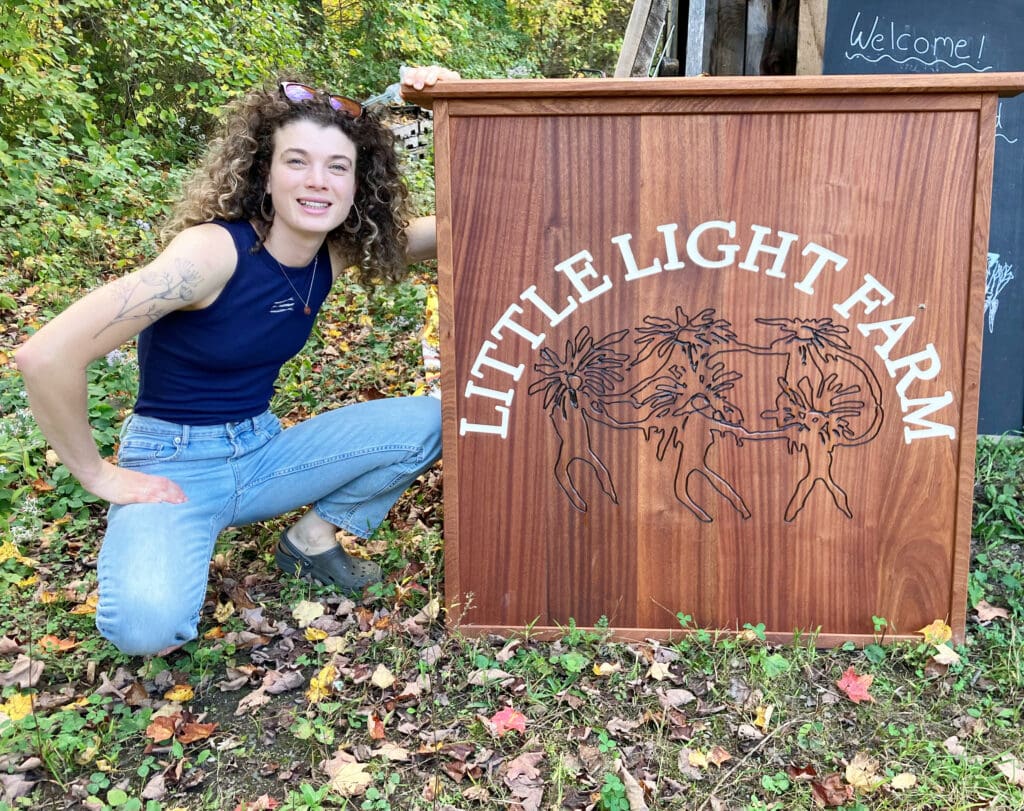
“I knew it would be important to get help from Land For Good to create a sound document that would give me the best chance at longevity at the farm.”
Emmy Smela, Little Light Farm
This wasn’t simply about gaining access to acreage for a season or two. It was about building a stable foundation for a farm business that allowed for future planning, investment, and growth.
“Writing a lease and coming to a spot where both me and the landowner were happy took a fair amount of time and work.”
Emmy
Land For Good’s field agents were able to guide the process – from uncertainty to clarity.
Jae Silverman, our Massachusetts Field Agent, hears from many farmers about leases that are verbal agreements or “handshake” agreements having issues – or a lease agreement that wasn’t written very clearly with any protections built into it. Verbal agreements can leave a farm in a very vulnerable position and present future challenges. She advocates for getting leases in writing whenever possible.
“Land For Good made a huge difference! Having someone show me what standard lease agreements looked like, and what to include in mine was a significant help. I would have left out so many pieces I wouldn’t have known to include. Their knowledge especially around infrastructure and the average cost of land in the area was key.”
Emmy
With examples of standard lease agreements to serve as models, guidance on key provisions that should be included, expertise around infrastructure and repair considerations, knowledge of average land costs in the area, help interpreting complex legal language, and support in navigating conversations with the landowner, Land For Good was able to help Emmy craft a lease that would build stability from the start.
“Leases involving infrastructure can often be even more complex and difficult to craft into an agreement that both sides feel good about. So it’s great that they put in the legwork in this case to figure that out from the start.”
Jae Silverman, Land For Good, Massachusetts Field Agent
How Lease Development Drives Success
Land access continues to be one the biggest barriers for new farmers. And for many farmers, especially those starting out, ownership is not immediately feasible. Leasing is one of the main pathways to access farmland.
A well-crafted lease can provide the security needed to build a business, invest in infrastructure, and plan for growth. But a well-developed lease takes time. This was one of Emmy’s biggest lessons from this experience—the time is worth it.
By taking the time to develop a thoughtful, comprehensive lease with guidance from Land For Good, Emmy was able to lay the groundwork for stability, clarity, and long-term success. She recommends taking the necessary time in the early stages:
“Don’t rush through the initial process of building a strong and fleshed out document with your landowner. You never know what might come up down the line, and having everything spelled out in your lease can save you so much worry and time once the farming season starts.”
Emmy
A thorough lease clearly defines roles, responsibilities, and terms from the start. It sets clear expectations. It outlines responsibilities before misunderstandings arise. And this allows farming to take the front seat once the season is underway. A strong lease doesn’t just protect the farmer—it also strengthens the relationship with the landowner. A strong landowner-farmer relationship is built on shared values and good communication.
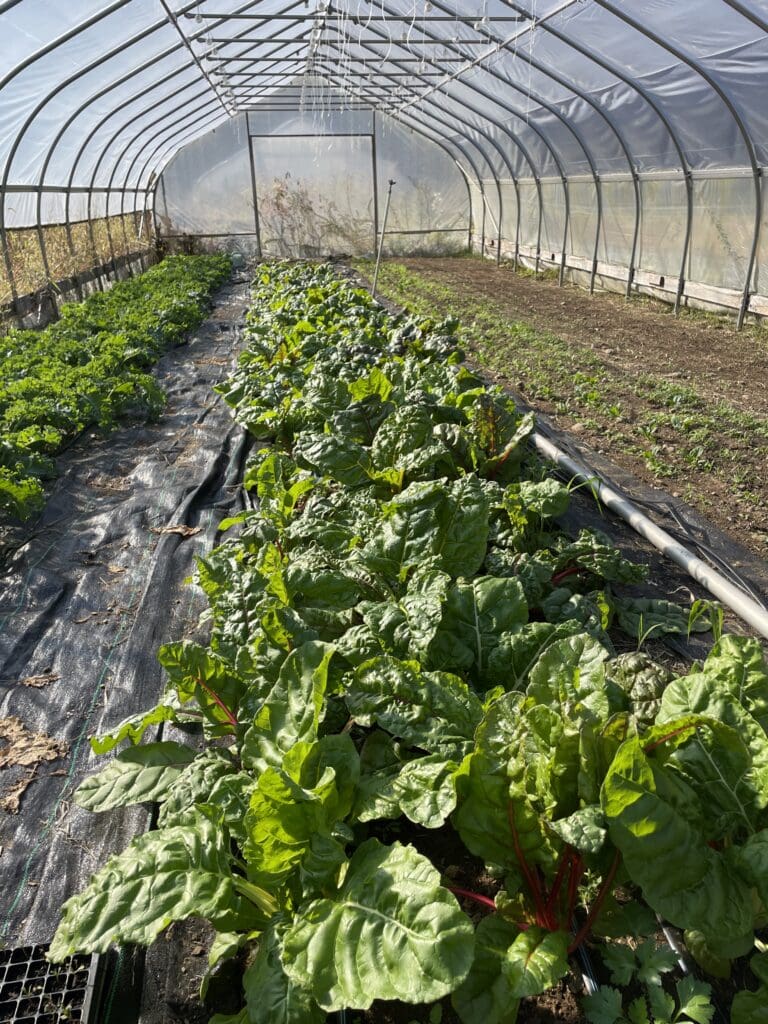
Emmy is now preparing for her second season running Little Light Farm, a regenerative vegetable and flower operation leasing 4 acres of land from Amethyst Farm in Amherst, Massachusetts. She is passionate about providing her community with high quality, nutrient dense produce, and is excited about offering creative classes as part of the farm’s future.
For farmers navigating similar decisions, Emmy’s advice is clear: seek support, take your time, and invest in building a lease that works for all parties involved. Because when the lease is strong, the farm’s future is stronger too.
Photo credit: Little Light Farm, Amherst MA